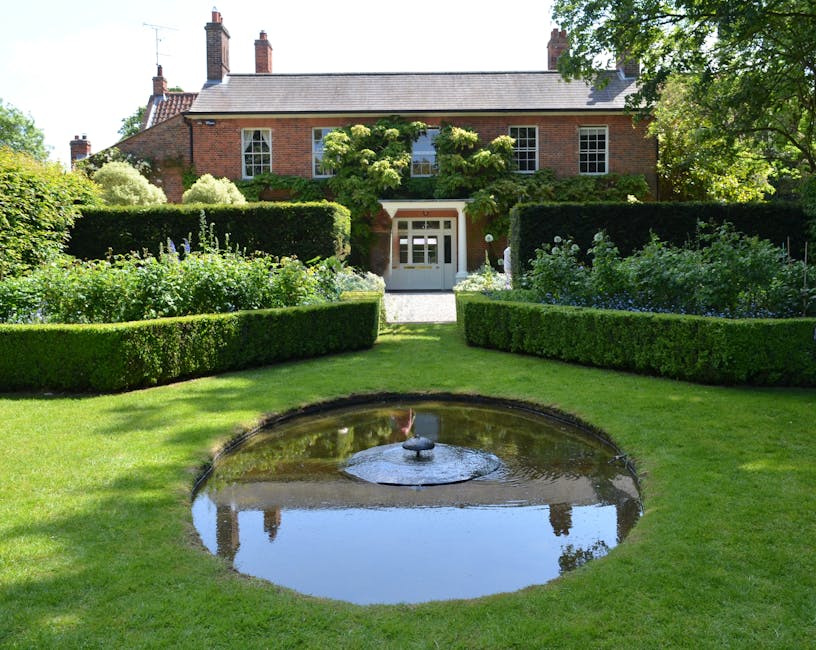
Best gardeners in Hale Barns for heritage garden care
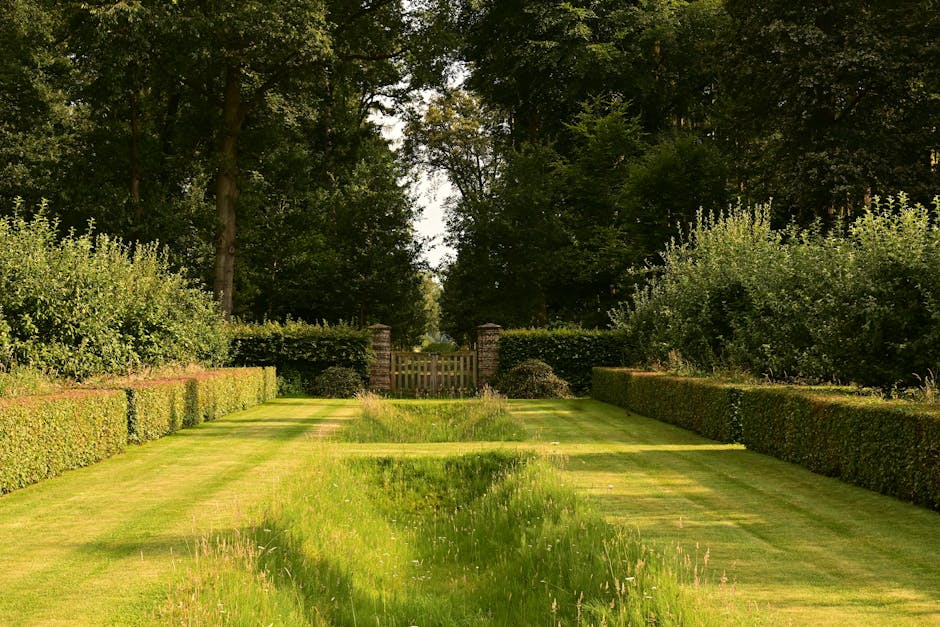
Heritage gardens ask for a different kind of attention. They are not just "nice old gardens" with mature shrubs and a few weathered paths. They often carry structure, history, and plantings that have taken years to settle in. If you are looking for the Best gardeners in Hale Barns for heritage garden care, you are probably after more than a quick tidy-up. You want someone who understands aged soil, established trees, sensitive pruning, and the sort of quiet judgement that keeps a traditional garden looking settled rather than stripped back. That's the real brief.
In Hale Barns, where many gardens mix mature planting with formal edges, stonework, lawns, hedging, and older specimen plants, heritage care is about respect as much as skill. Done well, it preserves character while making the space easier to live with day to day. Done badly, well... it can take a season or two to undo the damage. This guide explains what heritage garden care involves, how to judge a gardener's approach, what good practice looks like, and how to plan the work sensibly without losing the soul of the garden.
- Why heritage garden care matters
- How heritage garden care works
- Key benefits and practical advantages
- Who this is for and when it makes sense
- Step-by-step guidance
- Expert tips for better results
- Common mistakes to avoid
- Tools, resources and recommendations
- Law, compliance, standards, or best practice
- Options, methods, or comparison table
- Case study or real-world example
- Practical checklist
- Conclusion
- Frequently asked questions
Why Best gardeners in Hale Barns for heritage garden care Matters
Heritage garden care matters because older gardens behave differently from new-build plots. The planting is usually denser, the roots are more established, and the garden's layout often reflects a long period of gradual change. You may have mature hedges, old brick edging, a lawn that has been compacted over time, or climbers that now need proper management rather than guesswork. A heritage-aware gardener sees the whole picture, not just the overgrown bit in front of them.
That matters in Hale Barns because local gardens often need a balance between tidiness and preservation. A formal hedge can make a front garden feel elegant, but only if it is trimmed with restraint. A mature border can be a real asset, yet it can quickly look tired if the soil is neglected or the wrong plants are cut back at the wrong time. The best gardeners in this kind of setting tend to work slowly at first, observe what is already there, and then make measured improvements.
There is also a trust issue. Heritage gardens are often part of a home's identity. People notice when something looks "off". The magnolia has been hacked too hard, the climbers now cling to the wrong wall, or the lawn has lost its shape. To be fair, a lot of general garden maintenance can fix a practical mess. But heritage care calls for a steadier hand. It is one of those jobs where you want experience more than bravado.
If you are comparing local options, it helps to think beyond simple mowing or a one-off tidy. Look for a team with the wider capabilities needed to support a mature garden, such as ongoing garden maintenance, careful lawn care, and work on established planting or structure. Heritage care is not one task. It is the coordination of many small, careful tasks.
How Best gardeners in Hale Barns for heritage garden care Works
Heritage garden care usually begins with assessment. That first visit is not just about price or time. It should answer practical questions: what is healthy, what is failing, what should be left alone, and what needs urgent action? In an older garden, those answers matter. A gardener who rushes in with shears and a mower before understanding the site can do more harm than good.
The process often starts with a walkthrough of the garden in daylight. You will hear the gardener asking about plant history, previous pruning, drainage, shaded corners, waterlogging, pets, children, and any areas that are meant to remain untouched. That conversation is useful. It is often the difference between a generic service and proper heritage care. If a border contains an old rose or a sentimental planting from the previous owner, it should be handled accordingly. No drama, just care.
From there, the work is usually broken into stages. For example, a mature garden may need one visit for clearing and assessment, another for pruning and shaping, and then regular maintenance to keep the structure intact. In some cases, a gardener may recommend tree work or specialist help. When older trees need reduction, safety checks, or deadwood removal, tree surgery support can be an important part of the overall plan rather than a separate afterthought.
Good heritage garden care also depends on timing. Winter, spring, and late summer all ask for different decisions. A hedgerow may be best left until nesting season considerations have been thought through. Some shrubs prefer light shaping rather than a hard cut. Soil improvement is often best done gradually, using composted material and mulch rather than a heavy-handed dig-over. A good gardener knows that the calendar matters, but so does the weather on the day. UK gardens love to keep everyone humble.
The best local teams will also explain what they are doing in plain English. That should not be optional. If the garden contains ivy that needs long-term management, a mature lawn that needs recovery, or old paving that is stained and slippery, you should know why a certain approach is being recommended. Straight answers build confidence.
Key Benefits and Practical Advantages
There are several real benefits to hiring gardeners who understand heritage garden care, and not all of them are decorative. Some are about plant health. Some are about saving time. Some are about protecting the parts of the garden that give the property its character in the first place.
- Preservation of established character: mature trees, old hedges, heritage borders, and period paving are kept in balance rather than cut back into something anonymous.
- Better plant longevity: older plantings often need lighter, more thoughtful maintenance to keep producing strong growth year after year.
- Reduced risk of damage: careful pruning and correct handling of roots, bark, and stems reduce avoidable stress.
- Improved soil condition: heritage gardens often need steady soil improvement, not sudden disruption.
- Cleaner structure: paths, beds, hedges, and lawn edges are restored so the garden feels coherent again.
- Less time spent firefighting: a well-maintained mature garden is easier to manage than one left to drift into problem territory.
There is another advantage people sometimes overlook: peace of mind. You stop worrying that the gardener will "just tidy it up" and accidentally turn a layered, interesting space into a bare rectangle. That's a real concern. The wrong cut in the wrong month can set a mature plant back for ages. The right care, by contrast, makes the whole place feel settled, elegant, and oddly calm.
If privacy is part of the brief, heritage care may also include thoughtful hedge management or selective replanting. In many gardens, a mature screen is more valuable than a fence because it feels softer and more alive. Related guidance on flourishing hedges for privacy can help if your garden needs screening without losing its traditional feel.
Who This Is For and When It Makes Sense
This kind of gardening is for anyone who owns, manages, or cares about a garden with age, structure, and memory in it. That could be a family home with long-established borders, a property with mature boundary planting, or a garden that has drifted over time and now needs a more respectful reset.
It makes sense if you recognise any of these situations:
- the garden has mature shrubs or trees that need careful shaping
- you have inherited a garden and do not know which plants are valuable
- the lawn is patchy, compacted, or uneven around old root zones
- paths, edging, or stone features have become overgrown
- you want the garden to look better without losing its old character
- previous maintenance has been inconsistent and the space feels a bit untethered
It also makes sense if you are preparing a property for sale or a long-term stay and want the outside space to feel coherent. Heritage gardening is not just for grand old estates. Plenty of ordinary suburban gardens have inherited structure that deserves proper handling. In Hale Barns, you will often find gardens that were planted with intention years ago, then left to mature without much design oversight. That can be a gift, but it can also become a tangle.
One of the clearest signs you need specialist attention is when you are tempted to "just cut everything back." That feeling is understandable. We have all had that moment standing in front of a stubborn shrub at 4:30 on a damp afternoon, secateurs in hand, thinking, right, you and me then. But heritage care usually rewards patience over force.
Step-by-Step Guidance
If you want the best outcome from gardeners in Hale Barns, it helps to approach the work in a sequence. The process below keeps the garden's identity intact while improving its practical condition.
- Start with a full survey. Walk the space, note what seems healthy, and identify features you want protected. Pay close attention to old trees, climbers, boundary hedges, stone edging, and legacy planting.
- Separate structure from clutter. Decide what is part of the garden's character and what is simply overgrowth, self-seeded material, or accumulated debris.
- Set priorities. Typical priorities are safety, access, drainage, and plant health. If a path is blocked or a branch is unstable, deal with that first.
- Prune with restraint. Mature shrubs, roses, and climbers often need selective pruning rather than hard reduction. If you are unsure, work in stages.
- Improve soil gradually. Top-dress, mulch, and feed in a way that supports root systems without overloading the ground. For practical ideas, natural soil improvement with organic waste can be a useful starting point.
- Restore the ground layer. Tackle weeds, edge the beds, and refresh ground cover where bare soil is exposing roots or looking untidy.
- Repair the visible finish. Clean paths, tidy borders, mow the lawn properly, and trim hedges so the shape reads clearly from the house and street.
- Put a maintenance rhythm in place. Agree a schedule for seasonal visits, because heritage gardens stay healthy through consistency rather than occasional heroics.
If the garden includes heavy ivy, a neglected boundary, or climbing plants that have gone beyond "romantic" and into "slightly feral", it may be worth combining maintenance with broader structural work. The page on hedge trimming in The Hale can be useful if the main issue is preserving shape and screening at the edges.
Expert Tips for Better Results
There are a few habits that separate careful heritage care from ordinary garden tidying. None of them are complicated, but they make a visible difference.
First, work from the oldest structure outward. Start with trees, hedges, and permanent features before dealing with seasonal planting. That gives the whole garden a framework and stops smaller jobs from hiding bigger problems.
Second, do not overfeed mature plants. Older shrubs and climbers are often better served by steady soil improvement than by aggressive feeding. Too much nitrogen can produce soft, weak growth, which is the last thing you want in an established garden.
Third, keep an eye on light. A heritage garden can become shaded over time as trees and hedges mature. That is not automatically a problem, but it changes what will thrive. If a border has become darker, the plant choice should follow the light, not the other way around. For shaded areas, the advice in evergreen climbers for shade can open up useful options.
Fourth, keep the edges crisp. This sounds minor, but it is one of those details that makes an old garden feel cared for. A sharp lawn edge, clean path margin, and well-defined border can make a space look freshly looked after even before the planting has fully recovered.
Fifth, photograph before and after each season. It sounds a bit obsessive, I know. But it helps you spot whether pruning, lawn recovery, and border work are actually improving the garden or just creating temporary neatness.
And a small one, but important: do not let every job become a big job. A heritage garden often needs small interventions done regularly. Left too long, the same work turns into a weekend-eating monster.
Common Mistakes to Avoid
Heritage gardens are forgiving in some ways and very unforgiving in others. A few common mistakes keep turning up.
- Cutting too hard, too fast: mature shrubs and climbers can be set back badly by blunt pruning.
- Ignoring the original design: removing too much structure can make the garden feel flat and impersonal.
- Mixing every maintenance task into one day: it is often better to stage work logically than to rush everything at once.
- Overusing pressure washing or harsh cleaning: old paving, edging, and decking need gentle treatment, not brute force.
- Letting weeds seed repeatedly: once a heritage border is heavily seeded, it becomes harder to restore its clean lines. Practical weed control advice from keeping your garden weed-free can help here.
- Forgetting the soil: a beautiful mature garden can still struggle if the root zone is tired or compacted.
- Hiring on price alone: the cheapest quote is rarely the safest choice when the garden includes established planting or old features.
There is also the classic mistake of assuming "heritage" means "untouched." It does not. Good heritage care is active. The trick is to intervene lightly and regularly, not to leave the garden to fend for itself. Plants do not read intention, sadly.
Tools, Resources and Recommendations
For heritage garden care, the right tools matter less for showing off and more for making careful work possible. A good gardener will usually rely on clean, sharp, properly maintained tools rather than heavy equipment for every job.
- Bypass secateurs: better for clean cuts on stems and smaller branches
- Loppers: useful for slightly thicker growth without crushing stems
- Hand shears and hedge trimmers: important for shaping hedges, but they should be used with judgement
- Forks and aeration tools: helpful for compacted soil and tired borders
- Quality mulches and compost: support moisture retention and soil biology
- Soft bristle brushes and gentle cleaners: better for old paving and decorative stone than abrasive methods
If your heritage garden has been neglected, it can help to pair specialist care with a structured restart rather than trying to fix everything in one go. The guide on starting a neglected garden makeover fits this situation well.
For properties with mixed use, such as family gardens that also need privacy, safe play space, or a more welcoming seating area, it can help to think in layers. Maintenance keeps the garden healthy. Landscaping can improve the layout. Seating, screening, and path repair make it usable. If that sounds relevant, the pages on landscaping support and creating better seating areas are useful companions to the main heritage care plan.
Law, Compliance, Standards, or Best Practice
For domestic gardening in the UK, heritage care is usually less about formal regulation and more about sensible best practice. Still, there are a few areas where a trustworthy gardener should be careful and informed.
Health and safety: any work involving ladders, power tools, large branches, slippery surfaces, or heavy waste should be carried out safely and with appropriate precautions. A reputable team should be able to talk clearly about their working methods and insurance arrangements. If that matters to you, take a look at the site's insurance and safety information and the health and safety policy.
Property boundaries and access: in older gardens, boundaries can be a little awkward. Hedges, fences, walls, and paths should be managed without crossing into neighbouring land or causing avoidable disputes. The right professional will talk this through calmly instead of guessing. If boundary repairs or improvements are part of the work, fencing services may also become relevant.
Waste handling: green waste should be managed responsibly. Compostable material can often be reused, but diseased plants, invasive material, or contaminated waste may need separate handling. That is not a glamorous part of the job, but it matters.
Terms and customer process: when work is being quoted, scheduled, or adjusted, it helps to know how the company handles pricing, payments, and complaints. Useful pages to review include pricing and quotes, payment and security, terms and conditions, and the complaints procedure. It's not the fun part, admittedly, but it is part of hiring with confidence.
Privacy and accessibility: if you are reviewing a company online, transparent policies matter. The relevant pages here include the privacy policy, cookie policy, accessibility statement, and modern slavery statement. That all says something about how the business presents itself.
Options, Methods, or Comparison Table
Not every heritage garden needs the same level of input. Some need careful maintenance. Some need restorative work. Some need long-term planning. The table below gives a simple way to compare common approaches.
| Approach | Best for | Strengths | Watch-outs |
|---|---|---|---|
| Routine heritage maintenance | Gardens that already have good structure | Preserves character, prevents decline, keeps costs steadier | Can miss hidden issues if no initial assessment is done |
| Restorative garden care | Overgrown or neglected heritage gardens | Reveals structure, improves access, resets plant health | Needs restraint; over-clearing is a real risk |
| Seasonal specialist visits | Mature gardens with changing needs through the year | Good timing for pruning, feeding, mulching, and hedge work | Requires a reliable schedule and clear communication |
| Combined maintenance and landscaping | Gardens needing both care and layout improvement | Balances preservation with practical usability | Can become too ambitious if the brief is not controlled |
In many real-world cases, the best choice is a blend. A heritage garden rarely improves through one heroic intervention. It improves through a sensible rhythm: assess, prune lightly, restore the soil, clean the structure, and revisit seasonally. That boring-sounding approach is often the best one, which is a bit rude to everyone who hoped for a miracle, but there you go.
Case Study or Real-World Example
Imagine a Hale Barns garden with a mature privet boundary, an old rose border, tired lawn patches, and a paved seating area that has gone a bit green around the edges. The owner wants the garden to feel special again without losing the sense that it has been there for years.
A good gardener would not start by stripping everything back. They would first inspect the hedge line, identify dead wood in the shrubs, check the rose canes, and look at the lawn's compacted areas. Then they would clear the surface mess, shape the hedge in stages, prune the roses with care, and improve the soil around the borders. The paving might be cleaned gently rather than blasted. The lawn edges would be redrawn to sharpen the whole picture.
What changes most is not one dramatic feature. It is the feeling of order. You walk outside one morning, maybe after a bit of drizzle, and the garden just reads better. The hedge feels intentional, the lawn no longer looks exhausted, and the seating area invites you to sit for five minutes with a mug of tea. That is heritage care doing its quiet work.
If the garden has heavy ivy or climbing plants taking over old walls, the situation may need firmer intervention. In that case, the advice in permanent solutions for ivy problems can be useful alongside practical site work.
For families who want a heritage garden to remain usable, the same garden may also benefit from changes to flow and function. A child-friendly zone, a more sheltered corner, or a neater path to the rear door can make the space feel like part of daily life rather than a display piece. That balance is really the sweet spot.
Practical Checklist
Use this checklist when you are assessing gardeners or planning heritage garden care in Hale Barns.
- Have they asked about the garden's history, not just its current condition?
- Do they recognise mature plants worth preserving?
- Have they explained how they would prune, not just said they can prune?
- Do they talk about soil health, not only appearance?
- Can they explain the difference between tidy, restorative, and long-term care?
- Do they understand hedges, lawns, borders, and trees as connected parts of one system?
- Have they discussed timing and seasonal constraints?
- Do they offer clear information on insurance, safety, and working methods?
- Are quotes and next steps easy to understand?
- Do you feel confident they will respect the garden rather than flatten it into something generic?
If you can tick most of those boxes, you are probably in good hands. If not, keep looking. Heritage gardens deserve patience and judgement, not shortcuts.
Conclusion
Finding the Best gardeners in Hale Barns for heritage garden care is really about finding people who notice what matters: the old structure, the living history, the plants that have earned their place, and the small details that make a mature garden feel loved. The right gardener will improve the space without erasing its character. They will know when to cut, when to wait, and when to leave well enough alone.
That balance is what gives a heritage garden its value. Not pristine perfection. Not messy nostalgia either. Something calmer and more honest than that. If you choose carefully, you can protect the garden's past while making it genuinely easier to enjoy in the present.
Get a free quote today and see how much you can save.
And if you are still weighing it up, that's fine. A good garden choice does not need to be rushed. The right one tends to feel steady, even before the first cut is made.
Frequently Asked Questions
What makes a gardener suitable for heritage garden care?
A suitable gardener understands mature plants, old soil conditions, structural features, and the need for restrained pruning. They should be comfortable preserving character while improving function. In practice, that means they ask the right questions before they start.
How is heritage garden care different from regular garden maintenance?
Regular maintenance keeps a garden tidy and workable. Heritage garden care goes further by protecting established planting, period features, and the overall feel of a mature space. It is slower, more considered, and usually more selective.
Can an overgrown heritage garden be restored without damaging it?
Usually, yes, if the work is staged carefully. The safest approach is assessment first, then gradual clearance and selective pruning. The main risk is trying to do too much at once, which can remove valuable structure or stress mature plants.
How often should a heritage garden be maintained?
It depends on the garden, but most mature spaces benefit from regular seasonal attention rather than one-off rescue jobs. Hedges, lawns, shrubs, and beds all tend to need different timing. A stable routine is usually more effective than a big annual overhaul.
What should I ask before hiring a gardener in Hale Barns?
Ask how they handle mature shrubs and hedges, whether they offer staged work, how they protect existing plants, and how they approach soil health. It is also sensible to ask about insurance, safety, and how they structure quotes. Those details tell you a lot.
Is heritage garden care expensive?
It can vary, because the work is often more specialist than simple maintenance. The final cost depends on garden size, condition, access, and the amount of restoration needed. A proper quote should explain what is included, rather than hiding the detail.
What are the most common mistakes in mature gardens?
The biggest mistakes are hard pruning, over-cleaning old surfaces, ignoring the soil, and removing too much structure. Another common one is treating a heritage garden like a blank slate. That usually ends badly.
Can heritage garden care include lawn repair and hedge work?
Yes, and it often should. Mature gardens usually need several disciplines working together, especially around hedges, lawns, borders, and trees. A good plan joins those elements up rather than treating them as separate jobs.
What if my garden has ivy, old trees, or neglected boundaries?
Then the work may need a more careful sequence and, in some cases, specialist help. Ivy can smother walls and planting, while older trees and boundaries can create safety or access issues. It is better to assess these areas early rather than leave them until the end.
How do I know if a gardener will respect the character of the garden?
Look at how they talk. If they ask about history, plant values, and what you want to preserve, that is a good sign. If they rush straight to cutting and clearing without discussion, that is less reassuring. You can usually feel the difference within a few minutes.
Do I need a full redesign, or just better care?
Not always a full redesign. Many heritage gardens only need better care, a more thoughtful schedule, and a few corrective improvements. If the structure is basically good, preserving it is often wiser than rebuilding it.
What is the best next step if I want help now?
Start with a clear list of what worries you most: overgrowth, tired soil, hedge shape, lawn condition, or old features needing attention. Then compare that with the services and information already available, and use the contact route when you are ready to talk through the garden properly.