Recycling and Sustainability at Gardeners The Hale
 Gardeners The Hale is committed to a practical, responsible approach to gardening sustainability, with recycling and resource efficiency built into everyday work. From green waste handling to smarter fleet choices, our aim is to reduce what goes to landfill and support cleaner local environments. In a busy North London setting, recycling in gardening is not just a box-ticking exercise; it is part of how we protect shared spaces, improve soil health, and keep outdoor work aligned with broader environmental goals.
Our current recycling percentage target is to divert at least 90% of suitable garden and maintenance waste away from landfill through reuse, composting, and specialist recycling routes. That includes branches, cuttings, leaves, turf, and selected hard materials where separation is possible. We continually review how much material can be recovered, aiming to raise the rate as local facilities and collection methods improve. This target sits at the heart of our sustainable gardening practices and helps us measure progress in a clear, practical way.
In the area we serve, borough-led waste separation has become increasingly important. Many local authorities encourage residents and contractors to sort green waste, mixed dry recycling, and residual waste more carefully, and that approach supports better material recovery overall. As part of our garden waste recycling routine, we follow those principles on site: keeping soil separate from woody arisings, segregating recyclable packaging where appropriate, and ensuring that reusable materials are directed to the right stream rather than blended into general waste.
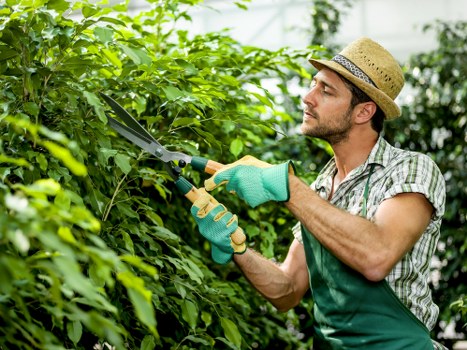 Where material cannot be reused on a job, we use local transfer stations to keep waste movement efficient and traceable. These facilities play a valuable role in sorting and consolidating materials before they enter downstream recycling or recovery channels. By using nearby transfer stations, Gardeners The Hale reduces unnecessary travel, limits emissions, and improves the odds that organic waste, clean timber, and segregated recyclables are handled correctly. For a recycling-focused garden service, local processing points make a meaningful difference.
We also build partnerships with charities and community organisations that can give a second life to suitable items. Pots, planters, salvaged decorative features, and reusable garden accessories may be passed on where they are in good condition and appropriate for donation. This supports a more circular model of working, one that values reuse before disposal. Our environmentally responsible gardening approach recognises that sustainability is not only about waste removal, but also about extending the useful life of materials already in circulation.
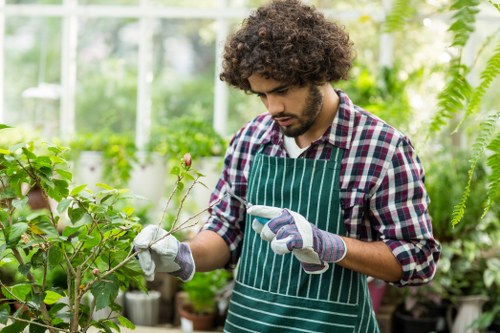 Another important area is low-carbon transport. We are steadily expanding the use of low-carbon vans in our operations, choosing vehicles that reduce fuel consumption and lower tailpipe emissions compared with older alternatives. These vans help us move tools, mulch, and collected waste efficiently while shrinking the carbon footprint associated with routine maintenance visits. For clients who value eco-conscious gardening services, the shift toward cleaner transport is a visible sign of long-term commitment.
Our recycling activity also reflects the realities of working across varied neighbourhoods and property types. In many boroughs, waste rules differ slightly, so we stay alert to local expectations around green bin use, separated food waste, and acceptable recycling materials. That awareness helps us work with local systems rather than against them. Whether a job produces hedge trimmings, old compost bags, or broken terracotta, we look for the most appropriate route before anything is treated as general refuse. This careful handling is central to our garden recycling service.
We place strong emphasis on reuse and recovery wherever possible. Organic matter can often be transformed into mulch or compost feedstock, while suitable woody waste may be chipped for ground cover or biomass recovery. Even small adjustments, such as removing contamination from recycling streams and separating metals from mixed site waste, can improve outcomes significantly. By treating every load with attention, Gardeners The Hale helps ensure that the environmental value of materials is preserved for as long as possible.
Our sustainable approach also supports healthier gardens. Composting and recycling green waste return nutrients to the soil chain, and lower-emission transport reduces the wider climate burden of maintaining outdoor spaces. The result is a service model that connects practical gardening with environmental stewardship. We see sustainability not as an added feature, but as part of quality workmanship: thoughtful planning, efficient collections, and responsible disposal all contribute to better results on site and beyond it.
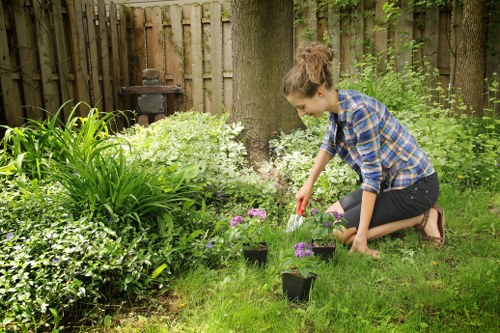 Looking ahead, we will continue refining systems that improve recovery rates and reduce waste. That includes better sorting on site, stronger links with local transfer stations, and more opportunities to channel reusable materials through charity partnerships. It also means keeping our fleet modern, economical, and increasingly low-carbon. Each improvement, even a small one, supports a broader shift toward low-impact gardening operations that respect both the local landscape and the resources used to maintain it.
Gardeners The Hale believes that sustainability should be visible in everyday actions: how waste is separated, where it is taken, and what happens after collection. From borough waste separation habits to the use of low-carbon vans and the recovery of green waste, our recycling model is designed to be realistic and effective. We will keep developing this work so that our gardeners recycling approach remains aligned with modern environmental expectations and the needs of the communities we serve.
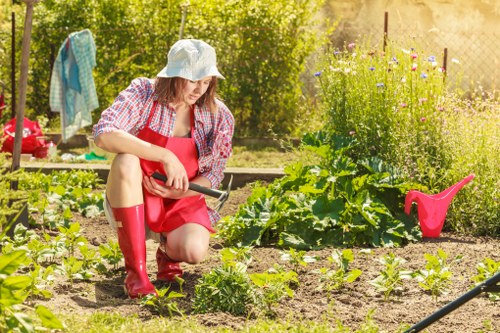 By combining clear recycling targets, local processing routes, charitable reuse, and cleaner transport, Gardeners The Hale offers a practical sustainability framework for garden care. It is a system built around responsibility, efficiency, and long-term value. For every project, the goal is the same: reduce waste, conserve resources, and make sure the work we do today supports greener spaces tomorrow.