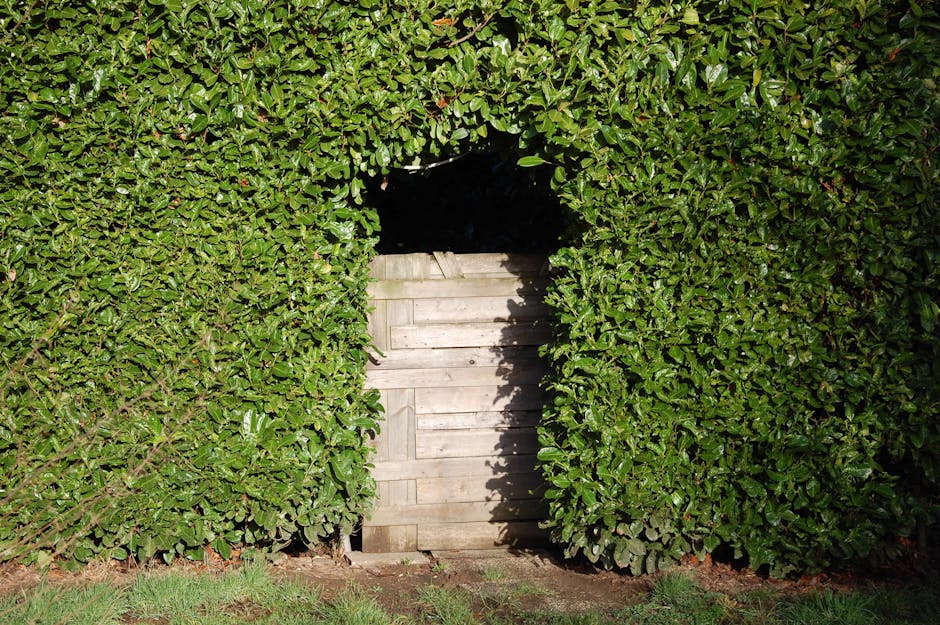
Common problems with access and gates for Hale gardeners
If you have ever tried to get tools, wheelbarrows, hedge trimmers, or even a simple bag of waste through a tight side gate, you already know the frustration. Common problems with access and gates for Hale gardeners can turn a straightforward job into a slow, awkward, and sometimes risky one. The gate sticks. The latch is awkward. The path is too narrow. Or the only route into the garden is through a soggy side return that looks fine in summer and turns into a mud trap by November.
This guide breaks down the practical issues gardeners meet most often, why they matter, and what usually helps. It is written for homeowners, landlords, and anyone arranging regular gardening services in Hale who wants the job done properly, without unnecessary delays or damage. We will look at access from both sides: the person doing the work and the property being worked on. A small thing like a gate swing can make a big difference. Truth be told, it often does.
Table of Contents
- Why access and gate problems matter
- How access issues affect day-to-day garden work
- Key benefits of improving access
- Who this is for and when it makes sense
- Step-by-step guidance
- Expert tips for smoother access
- Common mistakes to avoid
- Tools, resources and recommendations
- Law, compliance and best practice
- Options and comparison table
- Case study example
- Practical checklist
- Conclusion
- Frequently asked questions
Why Common problems with access and gates for Hale gardeners Matters
Garden access is not just a convenience issue. It affects how safely, quickly, and cleanly a job can be completed. If a gardener has to squeeze through a gate that barely opens, carry equipment over a wall, or repeatedly ask for access to a locked rear entrance, the work usually takes longer and becomes more disruptive for everyone.
For routine tasks such as lawn mowing, hedge trimming, leaf clearance, or seasonal tidy-ups, awkward access can also change the shape of the job. A lawn mower that would normally roll through a side gate may need to be lifted, carried, or replaced with smaller equipment. Waste may need to be bagged in smaller amounts. Even simple maintenance can feel oddly complicated. Not impossible, just clunky.
There is also a safety side. Narrow or damaged gates can catch fingers, pinch tools, or snag clothing. Slippery steps, broken paving, and hidden obstructions near the entrance create extra trip hazards. If a gardener is also dealing with large cuttings, bulky waste, or tree work, the risk rises quickly. This is one reason access is often discussed alongside health and safety procedures and site planning.
And then there is the customer experience. A property that is difficult to enter can lead to missed timings, awkward communication, and avoidable stress. Good access planning keeps the whole visit calmer. A little boring, maybe. But boring is often what you want when someone is carrying sharp tools and heavy sacks through your side passage.
Expert summary: Most access problems are not dramatic on their own. They become a problem when several small things stack up: a tight gate, poor lighting, uneven ground, no clear route, and no agreed way to secure the property afterward.
How Common problems with access and gates for Hale gardeners Works
In practical terms, access is the route a gardener uses to enter the garden, move tools in and out, and remove waste without damaging the property. The gate is usually the key point because it controls width, security, visibility, and speed all at once.
Here is the basic flow on a typical visit:
- The gardener arrives and checks the agreed entrance.
- The gate is opened, or the client provides access.
- Tools, mowers, and waste containers are brought through the route.
- The working area is assessed for obstacles such as bins, bikes, toys, hoses, or overgrown planting.
- Materials and waste are moved back through the same route at the end.
That sounds simple. In a neat, ideal world it is. In real life, gates can be swollen by weather, hinges can sag, latches can jam, and paving can slope just enough to make a full wheelbarrow hard to manage. A gate that opens inward might block the only standing space. A gate that opens outward might hit parked bikes or a wall. Sometimes the issue is not the gate itself but what sits behind it. A bramble patch, overhanging hedge, or cluttered narrow passage can be just as limiting.
For larger jobs, access affects what equipment is suitable. For example, a team carrying out garden clearance may need wider entry points than someone doing light pruning. Similarly, tree work or heavy waste removal can require more careful movement planning than simple hand weeding. The bigger the job, the more access matters.
In many cases, the best solution is not to force the issue. It is to work with the route available. Smaller machines, split loads, extra time, or a different disposal method may make the day smoother. That said, if the entrance is consistently awkward, it may be worth improving the gate or the surrounding boundary rather than battling it every month.
Key Benefits and Practical Advantages
Improving access and sorting out gate problems gives you more than convenience. It improves the quality of the work itself.
- Faster jobs: Less time wasted navigating tight openings or moving things in stages.
- Lower risk of damage: Fewer scuffs on paintwork, fewer dented gates, fewer scraped walls.
- Better safety: Easier movement reduces trip hazards and awkward lifting.
- Smoother waste removal: Cuttings, branches, and green waste can be moved out more efficiently.
- More reliable maintenance: Regular visits are easier when access is predictable.
- Better presentation: A tidy, usable entrance makes the whole property feel more cared for.
There is another benefit people overlook: reduced friction between customer and gardener. If everyone knows how access works, where tools are stored, and which gate is used, there is less back-and-forth on the day. You will notice the difference straight away. Less waiting around. Fewer little mistakes. More actual gardening.
For ongoing work such as garden maintenance, a dependable entry route can also help keep visits consistent across the year. Winter mud, spring growth, and summer traffic all affect how a space functions, so the more stable the access plan, the less each seasonal change bites you.
Who This Is For and When It Makes Sense
This topic matters to a lot of people, not just those with unusually tricky gates. If you own a terraced house with side access, manage a rental with a rear garden, or simply want your regular gardener to get in and out with minimal fuss, this is for you.
It is especially relevant if:
- your gate is narrow, stiff, warped, or uneven;
- the garden can only be reached through a shared side passage;
- the route includes steps, slopes, loose gravel, or wet paving;
- you keep bins, bikes, toys, or storage in the access route;
- you need regular work rather than one-off visits;
- the job involves bulky waste, shrubs, or tree cuttings;
- you want to avoid damage to fencing, walls, or decorative surfaces.
It also makes sense if you are planning larger outdoor changes. For example, if you are considering new boundaries through fencing services or a complete redesign through landscaping, access should be part of the design conversation from the start. A beautiful garden that is a pain to get into? Not ideal.
To be fair, many access issues only become obvious once someone tries to move a mower, ladder, or bin through the space. That is why it helps to think practically before work begins rather than after the first snagged wheel or jammed latch.
Step-by-Step Guidance
If you are trying to improve access for gardening work, use this simple approach.
- Walk the full route. Start at the front entry and trace the exact path to the working area. Look for tight corners, steps, slippery patches, and anything that narrows the space.
- Measure the usable width. Do not guess. Measure the narrowest points, including gate openings and turning areas. A route that looks wide enough can feel very different once a wheelbarrow is in motion.
- Check the gate condition. See whether it opens smoothly, closes properly, and latches securely. Sagging hinges and swollen timber are common issues.
- Clear clutter from the route. Move bins, plant pots, hose reels, bikes, tools, and toys before the job starts.
- Think about the work type. A light trim is one thing; a heavy clearance is another. Match the route to the likely load.
- Decide how access will be provided. Agree whether the gate will be left unlocked, whether someone will be present, or whether a key code or key holder arrangement is needed.
- Protect surfaces where needed. If the route includes stone, decking, or delicate paving, use temporary protection or move carefully to avoid marks.
- Review after the first visit. If there was a bottleneck, fix it early. Small changes now save repeated annoyance later.
If the access route is consistently difficult, it may be worth pairing garden work with structural improvements such as decking services or boundary adjustments. Sometimes the neatest fix is to improve the route itself rather than work around the same obstacle forever.
Expert Tips for Better Results
Here are the small things that usually make the biggest difference in the real world.
- Keep the hinge line in good shape. A gate that drags slightly today often becomes a gate that jams later.
- Use a route that avoids constant turning. Straight lines are easier than tight zig-zags, especially with waste sacks or mowers.
- Separate access from storage. If possible, do not store bins, compost bags, or bikes in the same route used for garden work.
- Plan for wet weather. After rain, mud, moss, and slick paving can turn a short walk into a slow shuffle.
- Allow room for waste exit. People often plan for entry but forget the exit path for cuttings and debris.
- Use the light you have. A dim side passage can hide nails, broken edging, or loose stones. It sounds obvious. Still gets missed.
One small but useful habit is to keep the gate area tidy all year, not just before a visit. A clear access point makes a recurring service much less awkward. And if you ever need urgent work after stormy weather, you will be glad the route is not blocked by a pile of plant pots and a half-collapsed trellis.
When pruning or clearance is involved, timing matters too. In the middle of a damp morning, piles of cuttings are heavier than people expect. More water, more weight, more mess on the route. A calm, clear entrance helps the whole job feel lighter.
Common Mistakes to Avoid
Most access problems are preventable, but a few mistakes keep showing up.
- Assuming the gate is wide enough because it opens. Opening and being usable are not the same thing.
- Forgetting the turning space. Even a wide gate can be useless if there is nowhere to manoeuvre behind it.
- Leaving the route cluttered. One bike or one compost bin can be enough to slow the whole process.
- Ignoring swelling, rust, or sagging. These are early warnings, not minor decoration issues.
- Not telling the gardener about restrictions. If access is shared, locked, timed, or seasonal, say so early.
- Expecting large waste to pass through a tiny opening without planning. Sometimes it can. Often it cannot. There is no magic trick here.
Another common issue is failing to think about the end of the visit. A gate can be easy to open at the start but difficult to secure properly after the job. That creates security concerns and unnecessary stress. It is the kind of detail that seems small until you are standing in the driveway asking yourself whether the latch actually caught.
Tools, Resources and Recommendations
You do not need specialist equipment to manage most access issues, but a few practical tools help.
- Tape measure: Useful for checking narrow gates, paths, and turning points.
- Spirit level or visual check: Helpful when a gate looks like it has dropped on one side.
- Work gloves: Useful for clearing rough vegetation around entrances.
- Temporary covers or protectors: Handy on delicate paving or decking.
- Basic lighting: A torch or better external light can expose trip hazards in darker side passages.
- Simple access notes: Written instructions save time, especially for repeat visits or multiple household members.
If the problem is bigger than a quick tidy-up, services that deal with boundary or surface improvements may help. For example, patio cleaning can improve grip on slippery routes, while tree surgery or tree lopping and removal may reduce overhanging growth that makes access awkward. In some gardens, the issue is not the gate alone but the whole corridor leading to it.
For quote planning, it is useful to speak about access as clearly as you speak about the actual gardening tasks. Good suppliers will normally want to know about width, security, parking, and whether waste can be taken out easily. That kind of detail supports more accurate pricing, which you can read more about through pricing and quotes.
Law, Compliance, Standards, or Best Practice
When access and gate issues affect garden work, the main focus is usually practical safety and responsible working practice rather than complex legal theory. That said, a few principles matter.
In the UK, property owners and contractors are both expected to think sensibly about safe access, clear communication, and avoiding preventable injury. For professional garden work, that typically means checking routes in advance, reducing obvious hazards, and not forcing equipment through spaces that are clearly unsuitable. It also means being careful around shared access, neighbouring property, and any area where someone could reasonably trip, slip, or be struck by a swinging gate.
Good practice usually includes:
- agreeing how entry and exit will work before the visit;
- keeping routes clear where possible;
- not leaving gates unsecured;
- using suitable equipment for the available access;
- taking extra care on wet or uneven surfaces;
- raising concerns if access appears unsafe.
If there is damage to a gate, fence, or access route, it is sensible to deal with it promptly rather than leave it as an ongoing hazard. Our insurance and safety information and terms and conditions are useful places to understand the expectations around safe, responsible work. For broader service standards and business information, the about us page can also help set the right expectations.
Where there is a formal complaint about access handling, it is always better to raise it early and clearly. If needed, the relevant route is set out in the complaints procedure. That is simply good practice, nothing fancy.
Options, Methods, or Comparison Table
There is rarely one perfect fix for access problems. The best option depends on how often the garden is used, how serious the bottleneck is, and how much change you want to make.
| Option | Best for | Pros | Limitations |
|---|---|---|---|
| Keep the current gate and improve organisation | Minor access issues | Low cost, quick to arrange, minimal disruption | May not solve tight or damaged entrances |
| Repair or realign the gate | Sagging, sticking, or poorly closing gates | Improves use without changing the whole boundary | May need repeat maintenance later |
| Clear and widen the route | Overgrown or cluttered side passages | Immediate practical benefit, easier movement | Does not help if the gate opening itself is too narrow |
| Change the boundary design | Repeated access problems or larger projects | More permanent solution, better usability | Higher cost and more planning |
| Use smaller equipment and split loads | Temporary or awkward access | Flexible, often effective straight away | Can slow bigger jobs down |
For some properties, the answer is a mix of methods. Maybe the gate needs repair, the route needs clearing, and the work itself needs a different equipment choice. That is normal. Real gardens are rarely neat little boxes. More often they are a collection of practical compromises that need a sensible plan.
Case Study or Real-World Example
Here is a realistic example, based on the kind of situation gardeners run into all the time.
A homeowner in Hale booked regular maintenance after a long break. The front looked fine, but the side gate had dropped slightly on one hinge, the latch stuck in damp weather, and the passage behind it had become a storage spot for bins and plant pots. On paper, the job was simple: cut back growth, tidy borders, remove a few bags of waste.
Once the visit began, the team had to slow down because the mower would not pass comfortably, and the waste bags could not be moved in a single line. Nothing was broken, but everything took longer than expected. The fix was straightforward: clear the route, adjust the gate, move storage items elsewhere, and agree an access plan for future visits.
The improvement was immediate. The next visit was easier, the working time was better used, and the customer no longer had to shuffle things around in a last-minute panic before each appointment. Small change, big difference. That is the pattern you see again and again.
Practical Checklist
Use this before the next garden visit or before arranging a bigger job.
- Is the main gate easy to open and close?
- Does it latch securely without forcing?
- Is the route wide enough for the tools or waste involved?
- Are there steps, slopes, or slippery patches to watch out for?
- Have bins, bikes, toys, and tools been moved out of the way?
- Is there enough light for early or late visits?
- Do you know who will provide access on the day?
- Have you mentioned any weak hinges, broken paving, or shared entrances?
- Are you expecting simple maintenance or a heavier clearance job?
- Is the exit route as clear as the entry route?
If you can answer most of those with confidence, you are in a good place. If not, there is probably a small fix waiting to save you a lot of irritation later.
Conclusion
Common problems with access and gates for Hale gardeners are usually not complicated, but they do need a bit of attention. A stiff latch, a narrow side passage, a cluttered route, or a sagging gate can all slow work down and make simple jobs feel harder than they should be. The good news is that most of these issues can be improved with a bit of planning, some honest measurement, and a practical approach to the route into the garden.
If you are thinking about recurring maintenance, clearance work, or broader garden improvements, it makes sense to look at access as part of the project rather than an afterthought. That is where better results usually come from. Calm entry. Clear exit. Fewer surprises.
Get a free quote today and see how much you can save.
And if you are weighing up the bigger picture, remember this: a garden is easier to enjoy when getting into it is not a battle.
Frequently Asked Questions
What are the most common gate access problems for gardeners?
The most common issues are narrow openings, stiff or sagging gates, awkward latches, cluttered side passages, uneven ground, and poor lighting. Even small defects can slow work down more than people expect.
Why does access matter so much for garden maintenance?
Because access affects safety, speed, and the ability to move tools and waste in and out without damage. A clear route makes regular maintenance far easier to manage.
Can gardeners work if the gate is too narrow for a mower?
Sometimes yes, but it may mean using smaller equipment, carrying items by hand, or splitting the job into stages. If the route is consistently too tight, a structural fix may be the better long-term answer.
Should I tell the gardener about access issues before the visit?
Absolutely. The earlier they know about narrow gates, shared entrances, steps, or locked side access, the better they can plan the job and avoid delays.
What if my gate is difficult to open in wet weather?
That usually suggests swelling timber, hinge movement, or latch misalignment. It is worth repairing sooner rather than later because weather-related sticking tends to get worse over time.
Is it better to repair the gate or just work around it?
If the issue is minor or temporary, working around it may be fine. But if access problems happen on most visits, repairing or improving the gate is usually more efficient in the long run.
Do access problems affect pricing?
They can. Jobs with awkward access often take longer, require different equipment, or need extra handling of waste. Clear information upfront helps with more accurate pricing and quotes.
What should I clear before a gardener arrives?
Move bins, bikes, toys, hose reels, loose pots, and anything else that narrows the route. The less the gardener has to shuffle around, the smoother the visit tends to be.
Can poor access create safety risks?
Yes. Tight passages, slippery paving, bad lighting, and awkward lifting can all increase the chance of slips, trips, or strain. That is why access planning is part of good site safety practice.
What if the garden can only be reached through shared access?
Shared access is workable, but it needs clear coordination. Make sure everyone involved understands entry times, any restrictions, and how the route should be kept clear.
Are access issues important for one-off jobs as well as regular maintenance?
Very much so. One-off clearances, hedge cuts, or tree-related work often create more waste and need more movement through the garden, so access can matter even more than with routine jobs.
Where can I find more service information and support?
You can review service details, company information, and practical policies through pages such as gardening services, pricing and quotes, and contact us if you need to discuss your access setup before booking.