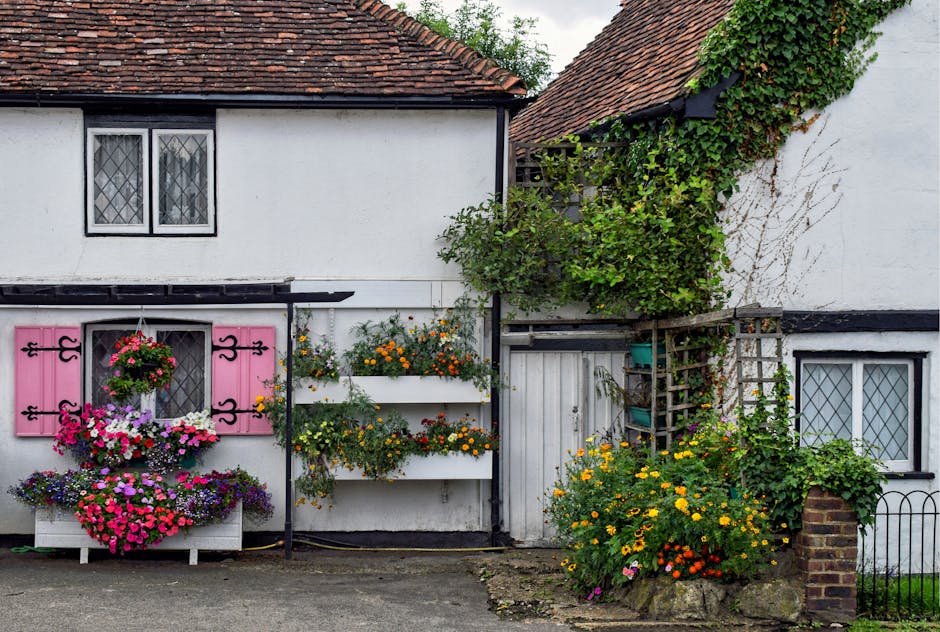
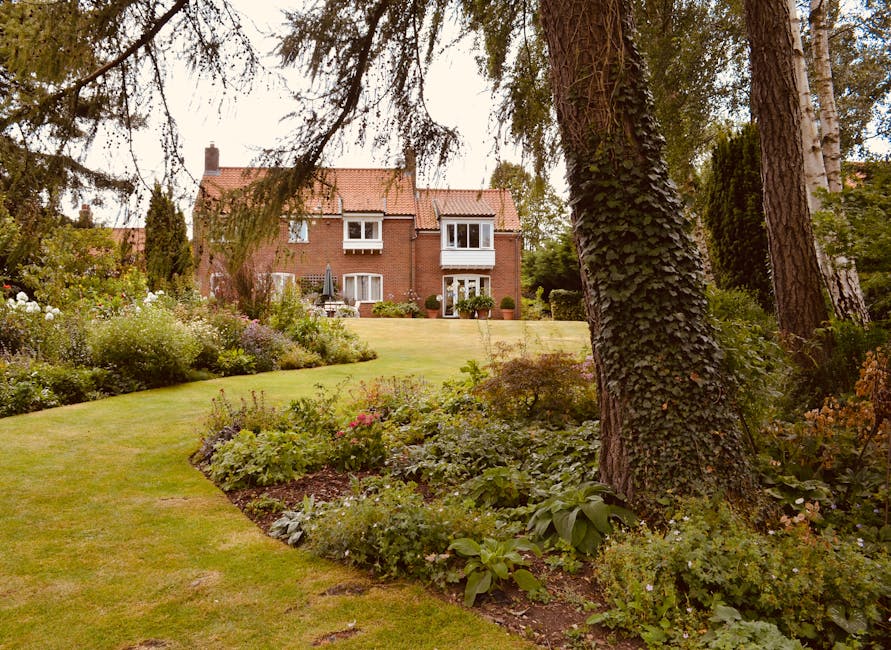
Top gardeners near Hale Village for small front gardens
If you have a compact front garden in Hale Village, you already know the puzzle: it has to look tidy, welcome visitors well, cope with the weather, and still not feel cramped. That is exactly where the right gardener makes a real difference. The best top gardeners near Hale Village for small front gardens do not just "do the gardening"; they understand proportion, plant choice, maintenance rhythm, and how to make a small entrance space feel calm rather than cluttered.
In a small front garden, every decision shows. One overgrown shrub can block the path. The wrong hedge can swallow the light. A badly chosen layout can make the whole place feel narrower than it is. The good news? A smart, local approach can turn even a modest patch into something sharp, practical, and genuinely attractive.
Below, you will find a clear guide to what to look for, how the work usually happens, what kind of results make sense, and how to avoid the usual mistakes. There is also a checklist, a comparison table, and a few realistic examples so you can judge your options with confidence. If you want to explore broader help with upkeep, you may also find the site's garden maintenance and general gardening services pages useful as a starting point.
Small front gardens are funny things. They can be the most visible part of the property and the easiest to get wrong. But with the right eye, they become the bit people remember. The pleasant bit. The "oh, that looks nice" bit.
Table of Contents
- Why Top gardeners near Hale Village for small front gardens Matters
- How Top gardeners near Hale Village for small front gardens Works
- Key Benefits and Practical Advantages
- Who This Is For and When It Makes Sense
- Step-by-Step Guidance
- Expert Tips for Better Results
- Common Mistakes to Avoid
- Tools, Resources and Recommendations
- Law, Compliance, Standards, or Best Practice
- Options, Methods, or Comparison Table
- Case Study or Real-World Example
- Practical Checklist
- Conclusion
- Frequently Asked Questions
Why Top gardeners near Hale Village for small front gardens Matters
Small front gardens are not just decorative. They shape first impressions, affect how easy your home is to enter, and often influence how much time you spend on upkeep each week. In a place like Hale Village, where streets can feel neat and close-knit, an untidy front garden stands out quickly. So does a well-kept one, to be fair.
The reason specialist gardeners matter here is simple: small spaces demand precision. A general tidy-up is one thing. Designing and maintaining a compact front garden so it stays balanced all year is another. You need someone who understands how to keep planting restrained, how to make hard landscaping work without overpowering the space, and how to handle the little frustrations that show up in front gardens: weeds in paving edges, patchy lawn strips, awkward slopes, thin soil, or privacy issues at the boundary.
There is also a practical side. Many front gardens are the first thing you see before unlocking the door, carrying shopping in, or wrangling a pram, bike, or dog lead. If the path is overgrown or the layout is cramped, it becomes a daily annoyance. The best gardeners solve that problem quietly. No drama. Just better flow, cleaner lines, and a front garden that feels easier to live with.
For readers starting from a neglected plot, it can help to think in layers: the hard surfaces, the structure, the planting, and the ongoing upkeep. A helpful companion read here is start your neglected garden makeover with confidence, especially if you are facing a front garden that has been left to do its own thing for a while.
How Top gardeners near Hale Village for small front gardens Works
Good small-front-garden work usually begins with observation. A skilled gardener will look at the width of the space, the light levels, the drainage, the path layout, and how much privacy you actually need. Then they will make practical choices that suit a front garden, not a show garden.
In our experience, the process often follows a simple pattern:
- Assess the site. Measure the usable area, note access points, and identify problem spots like shade, wind, or poor soil.
- Prioritise function. Decide what the garden must do first: frame the entrance, soften the frontage, reduce maintenance, improve privacy, or just look neat.
- Choose a structure. This may include edging, low hedging, container groupings, narrow borders, or a small section of lawn if it genuinely fits.
- Select plants carefully. Compact, slow-growing, and reliable plants usually beat big, fast growers in tiny spaces. That sounds obvious, but people still get caught out.
- Install and tidy. The job may involve pruning, replanting, mulching, soil improvement, weeding, hedge trimming, or light landscaping.
- Set up maintenance. A small front garden only stays good if upkeep is realistic. Weekly fuss is rarely the answer.
That last point matters more than most people expect. A garden that looks lovely but needs constant intervention can become a burden by month three. The right gardener aims for a design that is maintainable in the real world, not just in spring sunshine when everybody feels optimistic.
If privacy is part of the brief, you can also build structure with layered planting rather than relying on a tall fence or a single bulky shrub. See boost privacy swiftly with these flourishing hedges for ideas that can work well in compact front gardens. For shaded spaces, the guidance in evergreen climbers for shade may also help if the front aspect does not get much sun.
Key Benefits and Practical Advantages
The right gardener does more than improve appearances. Small front gardens are all about stacking advantages in a tiny footprint. A good result tends to deliver several wins at once:
- Better kerb appeal without making the entrance look overdesigned.
- Lower maintenance through sensible plant selection and fewer awkward features.
- Improved access by keeping paths, gates, and door approaches clear.
- More usable space even when the actual footprint does not change.
- Stronger seasonal interest from plants that look good across the year.
- Better privacy and softness at the boundary, especially where homes sit close together.
There is a surprisingly big emotional benefit too. A neat front garden changes the way you arrive home. You notice it on grey Tuesday evenings when the bins are out and the sky is doing its usual British thing. The place feels more cared for. That matters.
Small spaces also respond well to good material choices. A gardener experienced with compact gardens may suggest mulch to suppress weeds, evergreen structure for winter, or vertical elements to draw the eye upward. If you want to keep the space naturally low-fuss, take a look at ground cover ideas for UK gardens and simple ways to keep a garden weed-free.
| Approach | Best for | Pros | Watch-outs |
|---|---|---|---|
| Simple tidy-up | Overgrown but otherwise sound front gardens | Fast, affordable, restores order quickly | May not solve layout or planting issues |
| Soft redesign | Spaces that need better flow and balance | Improves appearance and usability together | Needs clearer planning up front |
| Low-maintenance replanting | Busy households and small plots | Less ongoing work, cleaner look through seasons | Plant choice must suit shade, wind, and soil |
| Full front-garden refresh | Tired or awkward spaces with multiple issues | Best long-term transformation | Takes more budget and coordination |
Who This Is For and When It Makes Sense
This kind of garden help makes sense for a wide range of homeowners and landlords, not just people looking for a dramatic makeover. In fact, many of the best small front gardens are quietly modest. Nothing flashy. Just well judged.
You may be in the right place if you are:
- a homeowner who wants the entrance to look smart without becoming high maintenance;
- a busy family trying to keep weeds, mess, and overgrowth under control;
- a landlord or property manager looking to improve presentation between tenancies;
- an older resident who wants the space to be safer and easier to manage;
- someone with a tiny paved frontage who wants a more welcoming feel;
- or a keen gardener who simply wants expert help with the trickier bits.
It also makes sense if you have already tried doing the work yourself and hit the usual wall: too many plants, not enough time, or the design just looks slightly off. That happens. More often than people admit.
If your front garden suffers from poor drainage, patchy grass, or thin planting beds, a pro can help you avoid sinking money into choices that fail the second wet weather arrives. If the soil is tired, the article on improving soil naturally with organic waste offers a useful, practical angle on building better conditions from the ground up.
Step-by-Step Guidance
Here is a sensible way to approach a small front-garden project in Hale Village. It is not fancy, just effective.
- Look at the space honestly. Stand at the gate and at the front door. What feels crowded? What looks bare? What is actually annoying you day to day?
- Define the main goal. Do you want easier maintenance, a better entrance, more privacy, cleaner paving, or a complete refresh?
- Measure before choosing plants. Small front gardens can be ruined by one shrub that grows too wide. Keep mature size in mind, not the shop label size.
- Sort the basics first. Clear weeds, edge borders, prune back overhang, and clean hard surfaces before planting. If paving is stained or slippery, patio cleaning may be worth considering, even in a front garden context.
- Build structure. Use one or two repeated features rather than lots of different things. Repetition calms a small space.
- Choose a restrained plant palette. A few well-matched plants are usually better than a dozen "nice ideas" competing for attention.
- Finish with mulch, edging, or containers. These details make the space feel intentional and help with weeds and moisture retention.
- Set a maintenance rhythm. Light, regular care beats occasional panic every single time.
A small front garden is a bit like a hallway in a house. If you crowd it, it feels awkward. If you open it up and keep the lines tidy, the whole property feels better. Simple, but true.
For people who like a bit of structure in the planting plan, the guide on choosing the right plants for your container garden can help, especially where there is no soil border and you need visual impact from pots and planters.
Expert Tips for Better Results
Here are the small decisions that often separate a decent front garden from a really polished one.
- Keep the number of plant types low. Three or four strong choices usually look better than a mixed bag.
- Use evergreen structure. Small gardens can look empty in winter if everything dies back at once.
- Think vertically. A narrow wall, trellis, or trained climber can add presence without taking up floor space. If that sounds useful, the article on vertical gardening for compact spaces is worth a look.
- Trim more often, but less aggressively. Regular light pruning keeps fronts neat and avoids the "why is this hedge suddenly a monster?" problem.
- Match planting to exposure. A windy frontage needs different choices from a sheltered one. The guide on windy gardens is useful if the site gets a battering.
- Leave breathing room. Plants need space to mature, and so do people arriving at the door with shopping bags.
- Use edging for definition. Even a modest border looks sharper with a crisp edge.
One detail people miss: front gardens often need to look good from a distance and close-up. From the road, structure matters most. Up close, texture and tidiness matter more. You want both, not one at the expense of the other.
And yes, a gardener who notices the difference between "needs a tidy" and "needs a rethink" is usually the one worth listening to.
Common Mistakes to Avoid
Small front gardens magnify mistakes. What would be a minor issue in a larger space can dominate the entire frontage here.
- Choosing plants that outgrow the space. This is probably the most common issue.
- Using too many colours, shapes, or materials. The result can feel busy and smaller than it is.
- Ignoring maintenance reality. If you will not prune it every month, do not buy something that demands exactly that.
- Leaving bare soil exposed. It looks unfinished and invites weeds. Ground cover or mulch helps.
- Overusing lawn. Tiny front lawns can become muddy or patchy and often do not earn their keep.
- Blocking paths or sightlines. Especially important near doors, gates, and driveways.
- Forgetting winter. Many gardens look fine in June and underwhelming by January.
Another easy mistake is treating the front garden like an afterthought. It is visible every day. That alone gives it more value than people expect. It does not need to be grand. It does need to be deliberate.
For more on avoiding common upkeep problems, see winter plant care essentials and weatherproofing your garden against severe elements.
Tools, Resources and Recommendations
Good results depend on practical tools, not just ideas. A tidy small front garden often benefits from a simple, disciplined toolkit:
- hand shears for precise trimming;
- secateurs for light pruning and deadheading;
- a narrow spade or trowel for tight borders;
- weeding tools that can reach paving joints;
- mulch or compost for soil improvement;
- edging tools for clean lines;
- gloves, particularly when dealing with thorny or woody shrubs;
- and a hose or watering can for newly planted areas.
In terms of service support, a front garden may benefit from a mix of maintenance and light specialist help. For example, hedge control may be better handled through hedge trimming in The Hale, while broader upkeep can sit under lawn care or lawn mowing depending on the layout.
If the space includes fences, decking, or tired hard landscaping, it can also be worth reviewing fencing, decking services, or landscaping where the improvement needs go beyond plants alone. A complete refresh is not always necessary, but sometimes a small structural change makes everything else easier.
For households wanting longer-term routine support, the practical route is often a recurring maintenance visit rather than one-off rescue work. It saves time, and honestly, it tends to keep the garden looking like somebody cares. Which is the point.
Law, Compliance, Standards, or Best Practice
For small front gardens, compliance usually comes down to common-sense best practice and being considerate of neighbours, access, and safety. Exact rules can vary depending on the property and local circumstances, so a careful gardener will work within sensible UK norms rather than making assumptions.
Key areas to keep in mind include:
- Safe access. Paths, steps, gates, and door approaches should stay clear and usable.
- Boundary awareness. Hedges, shrubs, or climbing plants should not spread into neighbouring property or obstruct shared access.
- Responsible pruning. Trees and larger shrubs may need specialist attention if they affect safety or overhangs. Where that is the case, a service such as tree surgery may be relevant.
- Working safely. Contractors should follow sound health and safety practice, especially when using ladders, power tools, or lifting materials. You can review the site's health and safety policy and insurance and safety information for reassurance.
- Transparent terms. Pricing, payment, and complaint handling should be clear. That is just good practice, really. The relevant pages are pricing and quotes, payment and security, and complaints procedure.
Best practice also includes being realistic about what a small front garden can support. If a feature makes the space harder to use or maintain, it may not be the best choice, even if it looks attractive in a photo. Photos lie a little. Gardens do not.
If you want to understand the company background and approach before booking, the about us page is a sensible place to start, and the terms and conditions page is worth checking before any work begins.
Options, Methods, or Comparison Table
Not every front garden needs the same kind of intervention. Here is a practical comparison of the most common methods.
| Method | Best used when | What you gain | Trade-off |
|---|---|---|---|
| Regular maintenance | The garden already has a decent structure | Consistent neatness, fewer weeds, less stress | Limited design change |
| Soft redesign | The layout feels cluttered or dated | Better flow, sharper appearance, easier upkeep | Needs planning and a bit more budget |
| Planting refresh | The space looks tired but the structure works | Instant lift without major building work | Success depends on soil and plant selection |
| Full front-garden makeover | There are several issues at once | Most complete transformation, long-term value | More time, cost, and coordination |
In many Hale Village homes, the best answer is somewhere between regular maintenance and a soft redesign. You do not always need to rip everything out. Sometimes you just need to stop the space fighting itself.
If you are considering a bigger reset, the guide on affordable garden solutions offers a useful way to think about priorities before committing to a larger project.
Case Study or Real-World Example
Picture a narrow front garden with a short path, an overgrown shrub by the window, a thin strip of tired grass, and a couple of pots that had clearly given up the will to live. A very ordinary scene. The kind you see on plenty of streets.
A practical gardener would usually start by clearing the visual noise: prune the shrub, remove dead planting, reset the pots, and clean the path edges. Then they would decide what the garden actually needed. In this sort of space, the answer is often fewer plants, not more. One evergreen feature near the entrance, one low border planting for softness, and perhaps a container pair to frame the doorway. That is enough.
Once the structure is in place, the garden reads differently. The entrance feels wider. The house looks cared for. And the owner no longer has to spend Saturday morning fighting weeds in the same patch of paving. That is the real win.
Sometimes, a small front garden even becomes the nicest part of the property. Not because it is huge. Because it finally makes sense.
Practical Checklist
Use this checklist when comparing gardeners or preparing for a front-garden job:
- They understand small-space gardening, not just large borders.
- They ask about access, maintenance time, and how you use the entrance.
- They recommend plants that suit the site, not just what looks pretty in the moment.
- They discuss mature plant size and long-term shape.
- They are clear about whether the job is maintenance, redesign, or both.
- They can explain how they will handle weeds, edges, and seasonal care.
- They offer realistic timeframes and do not oversell the transformation.
- They work neatly and leave the front of the property tidy.
- They can point you toward ongoing maintenance if you need it.
- They provide clear pricing, terms, and a sensible next step.
If your front garden also has ornamental features or potted plants that need specialist handling, a guide like orchid care demystified may be useful in a very specific way. Not every garden needs it, obviously. But if you do have fussier plants, it helps to know what you are dealing with.
Conclusion
Finding the right gardeners for a small front garden near Hale Village is really about fit. The best choice will understand space, balance, and maintenance as much as planting. They will know when to keep things simple, when to add structure, and when a little pruning will do more than a costly redesign ever could.
For most people, the goal is not a dramatic magazine-style entrance. It is something calmer and better: a front garden that looks cared for, feels easy to live with, and does not ask for endless effort. That is the sweet spot.
Whether you need a tidy-up, a smarter layout, or a complete refresh, the smartest move is to start with your practical needs and work from there. Small front gardens reward good judgement. They always have. And when they are done well, they quietly lift the whole property.
Get a free quote today and see how much you can save.
Frequently Asked Questions
What do the top gardeners near Hale Village for small front gardens usually help with?
They usually help with tidying, pruning, planting, weed control, edging, hedge trimming, layout improvements, and ongoing maintenance. In a small front garden, the work often focuses on keeping the space neat, practical, and visually balanced.
How do I know if my front garden needs maintenance or a redesign?
If the garden is basically fine but messy, maintenance may be enough. If the layout feels cramped, the plants are the wrong size, or the space never quite looks right, a redesign is probably the better option.
Are small front gardens harder to maintain than larger ones?
They can be, yes, because every weed, dead shrub, or awkward plant is more visible. But they are also easier to keep under control once the structure is right. Good design makes the difference.
What plants work best in a compact front garden?
Usually compact, slow-growing, and resilient plants work best. Evergreen structure, ground cover, and carefully chosen containers often perform well. The exact mix depends on shade, wind, and soil conditions.
Can a small front garden still have privacy?
Yes, but the trick is to create gentle screening rather than boxing the space in. Low hedges, carefully positioned shrubs, or climbers can help without making the frontage feel closed off.
How often should a small front garden be maintained?
That depends on the planting and season, but many small front gardens benefit from light, regular attention rather than occasional heavy work. A little and often approach usually keeps the space looking its best.
Is patio or paving cleaning useful in a front garden?
Definitely. If the front area includes paths, steps, or paved surfaces, cleaning can make a big visual difference and improve safety too. A tidy surface often makes the planting look better as well.
What should I ask a gardener before hiring them for my front garden?
Ask about their experience with small spaces, how they handle maintenance, what plants they recommend, whether they understand your access and privacy needs, and how they price the work. Clear answers are a good sign.
Do I need a full landscaping job for a front garden refresh?
Not always. Many small front gardens only need selective improvements such as new planting, cleaner edging, better structure, or some light landscaping. A full job is only necessary if several issues need fixing at once.
What if my front garden is very shaded or windy?
Then plant choice matters even more. Shade-tolerant climbers, tougher shrubs, and wind-aware planting plans can make the difference between constant failure and something that settles in nicely. The site's guides on shade and windy gardens are useful for that.
How do I keep weeds under control in a small front garden?
Mulch, ground cover, regular weeding, and tidy edging all help. It is also wise to avoid leaving bare soil exposed for long periods. That is where weeds tend to move in and make themselves at home.
Where should I start if my front garden feels completely neglected?
Start with a clearance and a basic assessment rather than buying new plants immediately. Removing the obvious mess first makes it much easier to see what the space actually needs. Once that is done, the next steps become much clearer.